
How to Remove Sticker Residue
Remove sticky label and sticker residue without damaging the surface. Start with the gentlest method, then use a small amount of oil or isopropyl alcohol only when the material can safely tolerate it.
Updated
What you need
Tick off what you already have.
Tools
Materials
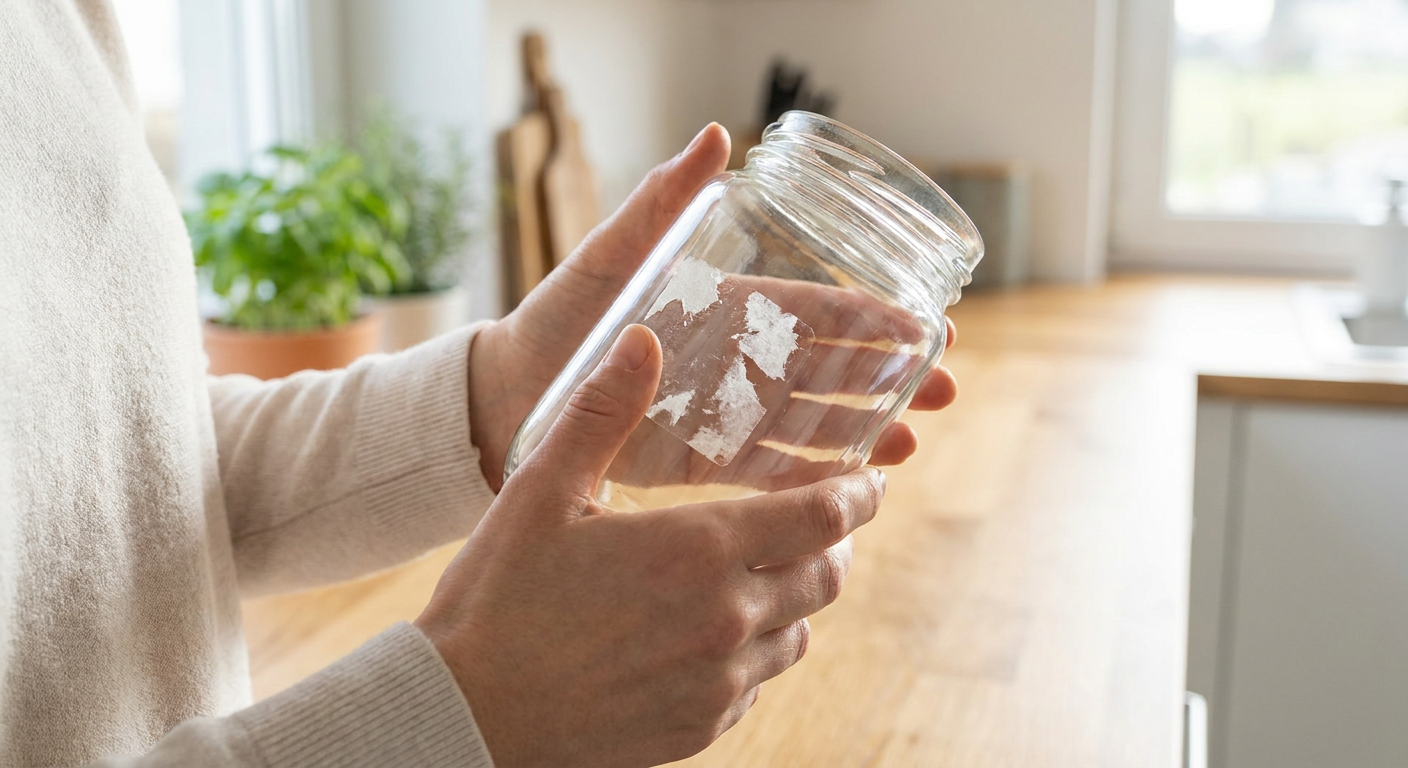 AI illustration
Step 01 / 06
Check the surface first
Identify the material and check its care instructions before using heat, oil or alcohol. Test any cleaner on a small hidden area first. Avoid solvents on delicate paint, unfinished wood, some plastics, screens and other coated surfaces unless the manufacturer says they are safe.
1. Check the surface first
Instructional illustration generated with AI for Howmigo. Identify the material and check its care instructions before using heat, oil or alcohol. Test any cleaner on a small hidden area first. Avoid solvents on delicate paint, unfinished wood, some plastics, screens and other coated surfaces unless the manufacturer says they are safe.
2. Lift off as much sticker as possible
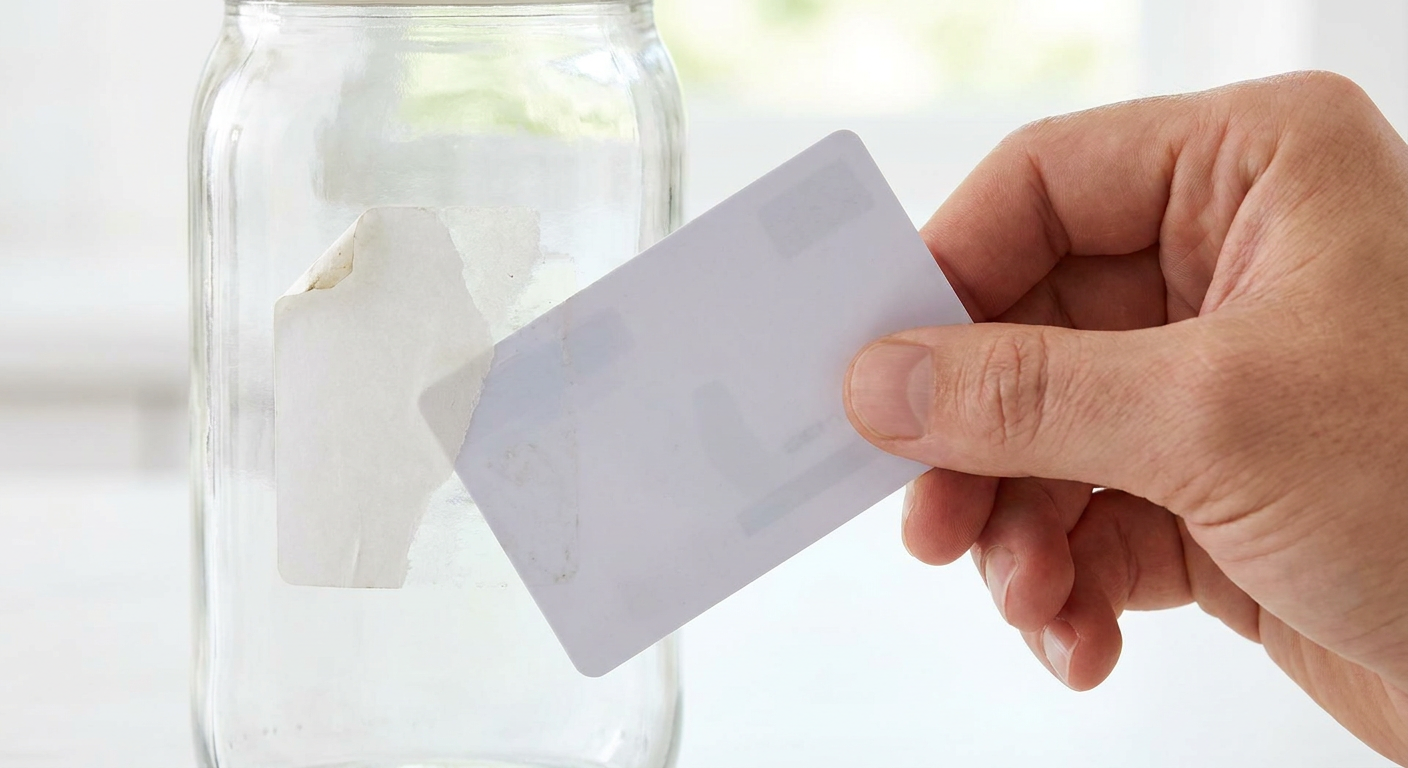
Instructional illustration generated with AI for Howmigo. Peel away any remaining paper or film slowly. Use a fingernail, plastic card or plastic scraper held at a shallow angle for stubborn edges. Do not use a razor blade or metal scraper on surfaces that can scratch.
3. Soften the adhesive gently
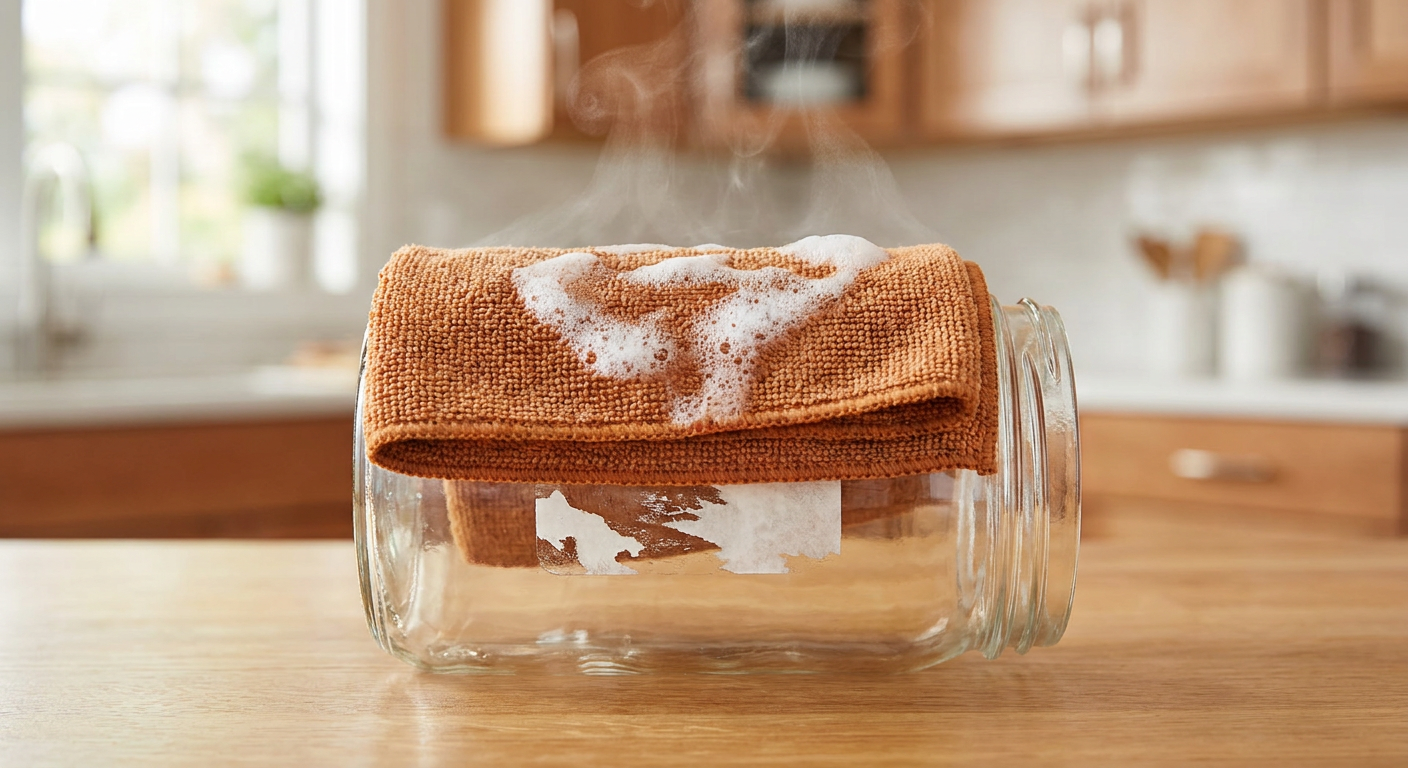
Instructional illustration generated with AI for Howmigo. For washable hard surfaces, hold a cloth dampened with warm soapy water over the residue for 5–10 minutes. On water-sensitive surfaces, skip soaking. If the material tolerates warmth, a hair dryer on low can be moved back and forth from about 15–20 cm (6–8 in) away for 20–30 seconds to soften adhesive. Keep heat moving and stop if the surface becomes hot.
4. Rub away the softened residue
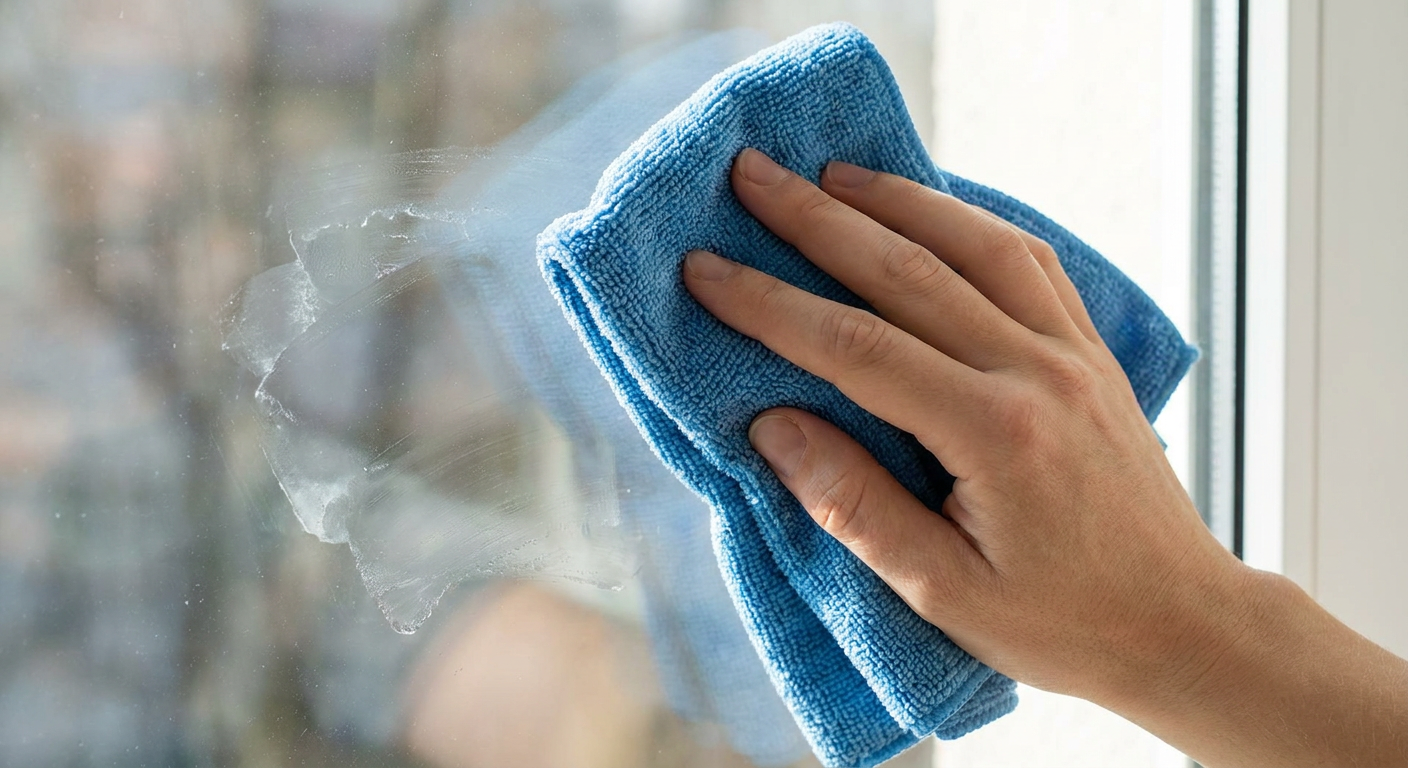
Instructional illustration generated with AI for Howmigo. Rub gently with a soft cloth, working from the outside of the sticky patch toward the centre. Use a plastic card for thicker softened adhesive. Repeat the softening step rather than scraping harder if residue remains.
5. Treat stubborn residue if needed
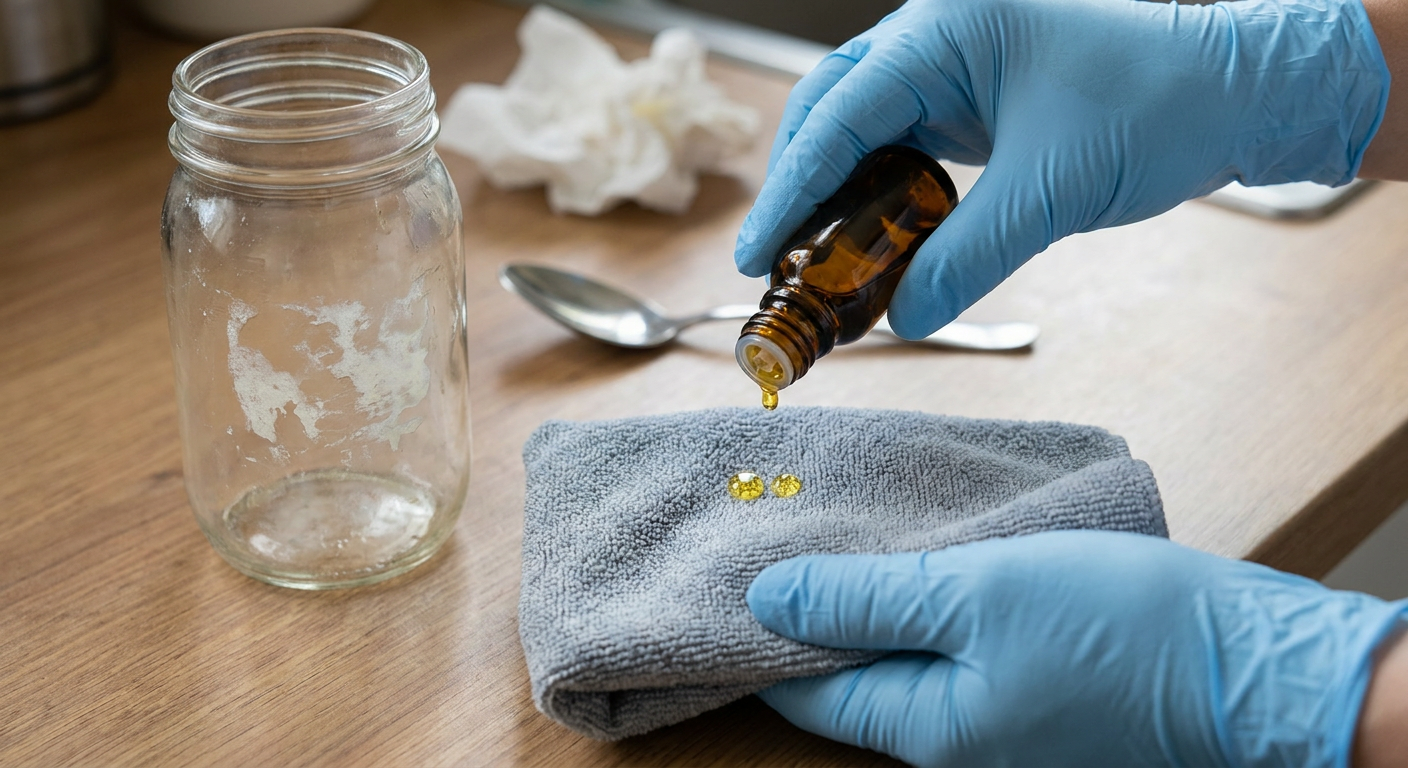
Instructional illustration generated with AI for Howmigo. If the surface is compatible, put a few drops of cooking oil on a cloth and work it into stubborn adhesive, then wipe away. On non-porous surfaces that tolerate alcohol, a small amount of isopropyl alcohol on the cloth can be used instead. Never mix cleaners, never apply solvent near flame or heat, and do not pour liquid directly onto the surface.
6. Wash and dry the surface
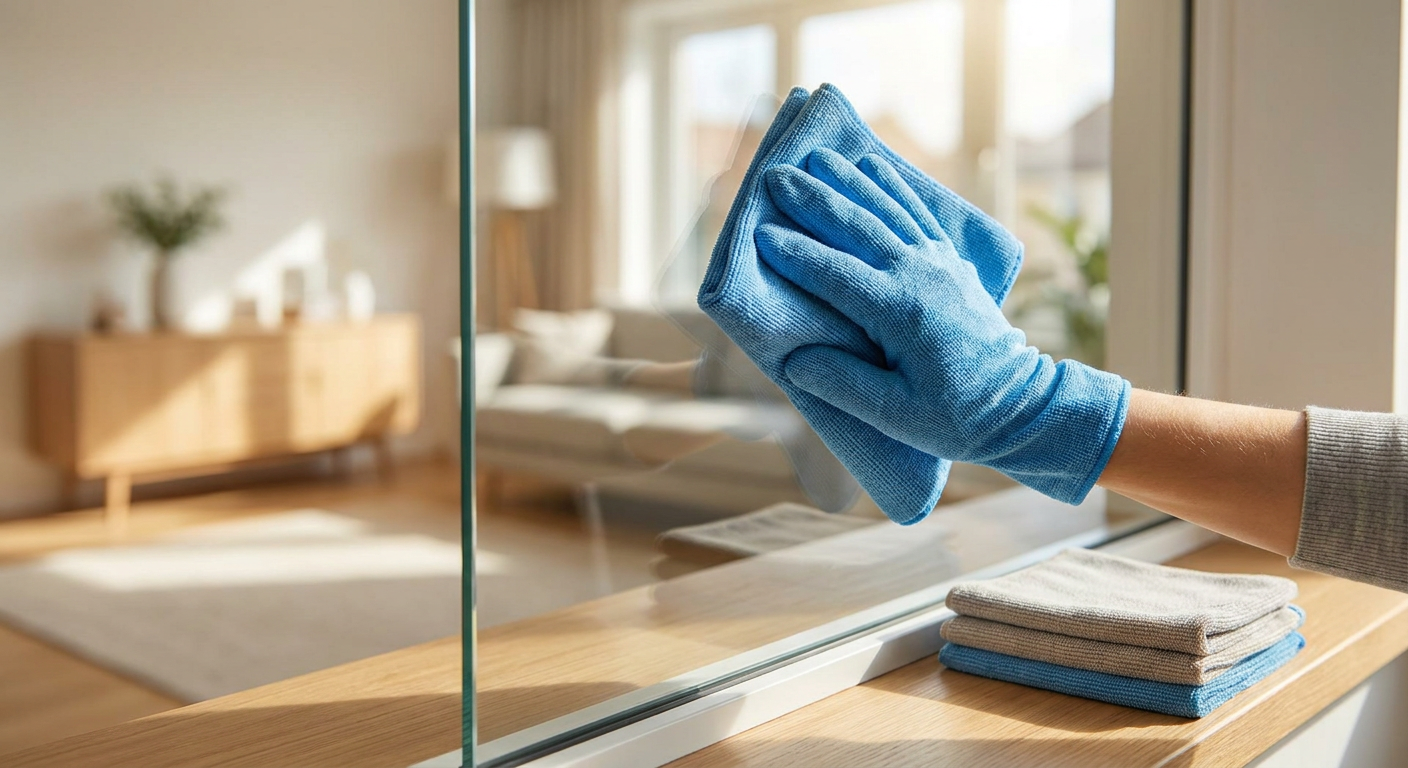
Instructional illustration generated with AI for Howmigo. Remove any remaining oil or cleaner with a cloth dampened with clean water and a little mild dish soap when the surface is washable. Wipe again with clean water, then dry thoroughly. Check the area in good light and repeat only with a method the material safely tolerates.
Common questions & troubleshooting
Did this guide help you?
Was this guide useful?
Discussion
No comments yet
Ask a question, share a tip, or reply to someone else.
Sign in to commentLoading comments…